Custom molded components
Work through the geometry, material interfaces, and approval criteria for molded parts built around your product design.
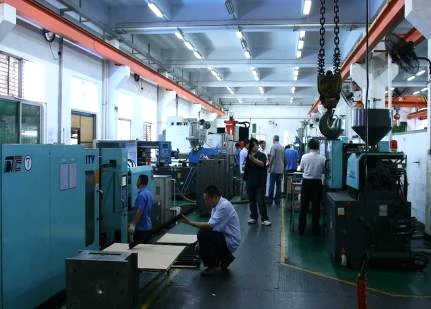
Product examples and molding options
YJX’s company profile includes housings for personal care products and components for healthcare and elder-care products. It also lists silicone rubber and plastic-and-rubber keypads, two-shot molding, and overmolding.
- Housings and covers
Share the shape of the enclosure, the components it protects, and the method used to assemble or remove the cover.
- Keypads and soft-touch areas
Identify the active buttons or contact zones and provide the dimensions and feel requirements relevant to the part.
- Mixed-material designs
Show the boundaries between materials or colors and explain which surfaces need stiffness, grip, flexibility, or a specific finish.
Turn product requirements into part requirements
A new component is easier to review when its model is accompanied by its purpose and inspection requirements. Explain the loads, repeated movements, and exposure relevant to the part. If the final product has specific requirements for this component, include the applicable specification in your enquiry.
- Critical geometry
Call out locating features, seal or mating surfaces, and the places where variation would interfere with function or assembly.
- Materials and surfaces
Identify specified grades, colors, and textures. Where you need material options reviewed, describe the required properties and product constraints.
What to send for a design review
- Part and assembly files
Provide current CAD and drawings or a dimensional sample, along with the geometry of any mating part that controls fit.
- Intended scope
Say whether the project involves mold build, molded samples, part production, or several of those steps.
- Approval criteria
Share quantity expectations, target sample timing, and the inspection and assembly checks to agree before tooling.